Conscientious oral hygiene for implant-supported teeth
Anyone receiving implants must also be ready to maintain conscientious implant care afterwards.
Care
Why implants need care
Implants are an investment in quality of life, and oral hygiene is the precondition for enjoying them over a long period. Like natural teeth, implants need consistent care. Conscientious oral hygiene matters if your implants are to last. Brush your teeth, and your new implant-supported teeth, ideally after every substantial meal. The aim of thorough care is the gentle removal of soft plaque and of calculus as it begins to form.
Implant prevention: the best protection against complications
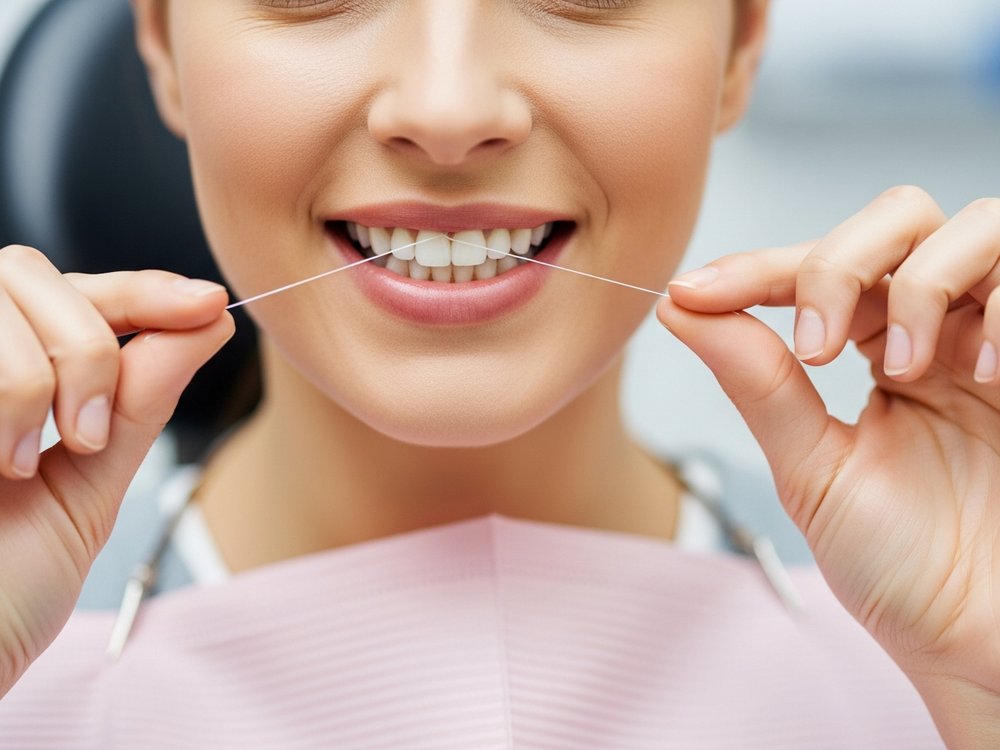
High-quality implant solutions have to be kept healthy within a lasting prevention concept. Special implant prevention and aftercare are necessary to secure long-term success. Anyone receiving implants must also be ready to maintain conscientious implant care afterwards. Your dentist will explain the measures needed for effective oral hygiene. The prevention staff will show you how to clean the implants at home and how to prevent deposits, for example with an interdental brush. An ordinary toothbrush cleans only part of the tooth surface, as it barely reaches the interdental spaces and the implants. Depending on your dentist's recommendation, the spaces between the teeth should be cleaned before brushing with dental floss, an interdental brush, superfloss or a single-tufted brush.
Regular prevention is the basis for keeping an implant over the long term. An implant needs an environment that is as clean and free of bacteria as possible. Bacterial inflammation endangers the long-term success of implant treatment. Where care is lacking, bacteria can inflame the tissue around an implant. The jawbone then recedes and the dreaded peri-implantitis follows, the most common cause of implant loss. Because peri-implantitis often causes no pain, patients mostly do not notice it. Implants cannot fall ill, but they can be lost if oral hygiene is inadequate.
These problems can only be avoided with a structured aftercare concept and a systematic, closely spaced recall. During a preventive implant appointment, deposits, bacterial colonisation (plaque) and the pathogenic biofilm are removed from the parts of the implant that are hard for the patient to reach.
Depending on the implant system and material used – titanium implant, ceramic implant or titanium implant with a ceramic abutment – the sensitive implant surfaces are cleaned with special instruments. Gentle interdental cleaning matters: the surfaces of the implants and abutments must not be scratched or damaged. Rough areas and soft and hard deposits are removed from the implant, along with any niches where dirt can collect, to prevent plaque from settling again.
A warning sign of inflammation around implants is bleeding on probing. Regular check-ups and pocket probing help to spot changes such as gum inflammation or peri-implantitis early, so that they can be treated.
Older people and those in need of care, whose dexterity is limited and whose eyesight is failing, need support from their carers and those around them in caring for their new implant-supported teeth and cleaning their restorations. Care at home alone is not enough: regular check-ups with professional implant and tooth cleaning every three to six months are strongly recommended and are a basic precondition for long-term implant success.
One welcome side effect of this cleaning and care: professional prevention guards against caries and periodontal disease and promotes oral health.
The key points at a glance
- Like natural teeth, implants need consistent care.
- Your own teeth and your implant-supported teeth are best brushed after every substantial meal.
- An ordinary toothbrush reaches only part of the surfaces; the spaces between the teeth need interdental brushes.
- Keeping implants also means special preventive care at the practice, not just care at home.
Answered briefly